šta će vam trebati da biste dostigli vrh gugla

Ako hoćete prosperitet za vašu firmu,potrebno je ali ne i dovoljno da imate vebsajt.Mnogi poslovni ljudi ne shvataju ovo.Oni smatraju da samo činjenicom posedovanja onlajn prezentacije su nekako rešili sve probleme njihove virtuelne prezentacije.Međutim, istina je da su oni ipak veoma udaljeni od ostvarenja ciljeva.Veb sajtovi treba da budu savremeni,prosti što se tiče navigacije ali i najbolji,najlepši i najpregledniji sajt neće postići ništa za svog vlasnika ako se ne radi na njegovoj popularizaciji t.j. reklamiranju.Postoji više načina da dođete do posetilaca,ali sajtovi u ovoj zemlji u ogromnoj većini ne čine mnogo po tom pitanju.Ako razmišljate ovako,nećete imati uspeha.
Ako izuzmemo druge metode koje koje služe za promociju vašeg sajta,optimizacija za google je jedna od onih aktivnosti koje su vrlo isplative na duže staze.Kažem dugoročno iz prostog razloga što je,da biste videli neke opipljive rezultate,neophodno je da prođe neko vreme.U zavisnosti od konkurenata,ovaj vremenski period prosečno traje od 3 meseca do godinu dana.Ali ako računamo da je tek otvorenom preduzeću potrebno cirka dve godine da počne da generiše novac,ovaj vremenski period deluje prihvatljivo.Ali pre nego što počnemo da se bavimo detaljima,treba da odgovorimo na jednostavno pitanje - Šta je optimizacija sajta?
Prosto govoreći,optimizacijom vašeg vebsajta vi njega činite idealno interesantnim za pretraživače.Oni mogu da steknu jasnu sliku o čemu se na vašem sajtu radi i da vas,na osnovu toga, rangiraju za te pojmove.Ako ste uradili dobar posao sa optimizovanjem vaše prezentacije,bićete nagrađeni višim rangom na samom pretraživaču.Tako da kada neko unese neku frazu za koju je vaša prezentacija optimizovana,imate veliku priliku da se pojavite među najboljim rezultatima.Tako je u teoriji.Praksa je malo komplikovanija.Nisu sve fraze iste,i ima pojmova za koje će vam biti potrebno puno više vremena da se pozicionirate u zavisnosti od jačine konkurentnosti.
Naravno,ovo uopšte nije jednostavan zadatak.Kao i u ovom materijalnom svetu,internet svet takođe vrvi od konkurencije.Nepisano Pravilo je da,što pojam ima više pretraga ili je profitabilnija,ima i više konkurenata.Tako da ako imate konkurente svuda,sigurno ćete ih naći i onlajn.Da stvari budu komplikovanije,ljudi nisu strpljivi ovih dana u onoj meri u kojoj su bili ranije.Danas se sve vrti oko brzine.Zbog toga niko ne gleda dalje od prve strane gugla. Najveći broj onih koji traže nešto ne gledaju dalje od treće pozicije na prvoj stranici.Ovo znači,da biste imali uspeha,vi treba da budete poastavljeni ne samo na prvoj stranici nego verovatno i među prva tri.Iscrpljujući ali ne i neizvodljiv zadatak.
Svaka efikasna kampanja optimizovanja se radi u dve dimenzije - na samim stranicama vašeg sajta i van sajta.Optimizacija same stranice je varljivo prost zadatak - ukoliko znate šta radite.Postoji fina linija između optimizacije i prekomerne optimizacije koliko god to apsurdno zvučalo.Ukoliko ovo ne uradite na pravi način,može se dogoditi da postignete kontra-efekat - da vaš sajt bude oštećen i bačen u dubine google algoritma.Iz ove situacije je vrlo teško oporaviti se, tako da morate biti vrlo pažljivi kada optimizujete same stranice.Kada ovaj posao uradite valjano,možete početi sa optimizacijom van sajta.
Optimizacija same strane je relativno jednostavan ali ne i lak posao.Prva stvar koju treba uraditi je odabrati set pojmova za koje želite da budete rangirani a zatim optimizovati neke parametre tih stranica za te odabrane pojmove.Google je u stvari algoritam - u srži to je program koji koristi određene delove koda koji se zovu "botovi" i koji dolaze na vaš sajt i skeniraju vašu prezentaciju.Postoji oko dve stotine faktora koje ovaj program uzima u obzir kada donosi odluku gde će rangirati vašu prezentaciju.Nisu svi faktori poznati jer je google-u u interesu da nema varanja njihovog programa pa su podaci o sitnicama na koji način tačno google rangira sajtove veoma čuvana poslovna tajna.
Ono što je važno reći na kraju je da je optimizovanje za pretraživače zadatak koji se stalno obavlja.Ako mislite da ćete moći da preuzmete prvo mesto i da više ništa ne radite,grešite.Vaša konkurencija će najverovatnije nastaviti da optimizuju svoju prezentaciju i polako ali sigurno,gubićete pozicije.Ovo je vrlo čest slučaj tamo gde ima mnogo konkurencije i ako ne želite da se to vama desi,morate odvojiti pola sata svaki dan za promociju vašeg sajta.Idealno bi bilo da organizujete vaše vreme,izvršite podelu zadataka i radite ono što najbolje znate,a da posao optimizacije predate u ruke stručnjacima.Ovako ćete imati više vremena i postićete bolje rezultate dugoročno.
Ako izuzmemo druge metode koje koje služe za promociju vašeg sajta,optimizacija za google je jedna od onih aktivnosti koje su vrlo isplative na duže staze.Kažem dugoročno iz prostog razloga što je,da biste videli neke opipljive rezultate,neophodno je da prođe neko vreme.U zavisnosti od konkurenata,ovaj vremenski period prosečno traje od 3 meseca do godinu dana.Ali ako računamo da je tek otvorenom preduzeću potrebno cirka dve godine da počne da generiše novac,ovaj vremenski period deluje prihvatljivo.Ali pre nego što počnemo da se bavimo detaljima,treba da odgovorimo na jednostavno pitanje - Šta je optimizacija sajta?
Prosto govoreći,optimizacijom vašeg vebsajta vi njega činite idealno interesantnim za pretraživače.Oni mogu da steknu jasnu sliku o čemu se na vašem sajtu radi i da vas,na osnovu toga, rangiraju za te pojmove.Ako ste uradili dobar posao sa optimizovanjem vaše prezentacije,bićete nagrađeni višim rangom na samom pretraživaču.Tako da kada neko unese neku frazu za koju je vaša prezentacija optimizovana,imate veliku priliku da se pojavite među najboljim rezultatima.Tako je u teoriji.Praksa je malo komplikovanija.Nisu sve fraze iste,i ima pojmova za koje će vam biti potrebno puno više vremena da se pozicionirate u zavisnosti od jačine konkurentnosti.
Naravno,ovo uopšte nije jednostavan zadatak.Kao i u ovom materijalnom svetu,internet svet takođe vrvi od konkurencije.Nepisano Pravilo je da,što pojam ima više pretraga ili je profitabilnija,ima i više konkurenata.Tako da ako imate konkurente svuda,sigurno ćete ih naći i onlajn.Da stvari budu komplikovanije,ljudi nisu strpljivi ovih dana u onoj meri u kojoj su bili ranije.Danas se sve vrti oko brzine.Zbog toga niko ne gleda dalje od prve strane gugla. Najveći broj onih koji traže nešto ne gledaju dalje od treće pozicije na prvoj stranici.Ovo znači,da biste imali uspeha,vi treba da budete poastavljeni ne samo na prvoj stranici nego verovatno i među prva tri.Iscrpljujući ali ne i neizvodljiv zadatak.
Svaka efikasna kampanja optimizovanja se radi u dve dimenzije - na samim stranicama vašeg sajta i van sajta.Optimizacija same stranice je varljivo prost zadatak - ukoliko znate šta radite.Postoji fina linija između optimizacije i prekomerne optimizacije koliko god to apsurdno zvučalo.Ukoliko ovo ne uradite na pravi način,može se dogoditi da postignete kontra-efekat - da vaš sajt bude oštećen i bačen u dubine google algoritma.Iz ove situacije je vrlo teško oporaviti se, tako da morate biti vrlo pažljivi kada optimizujete same stranice.Kada ovaj posao uradite valjano,možete početi sa optimizacijom van sajta.
Optimizacija same strane je relativno jednostavan ali ne i lak posao.Prva stvar koju treba uraditi je odabrati set pojmova za koje želite da budete rangirani a zatim optimizovati neke parametre tih stranica za te odabrane pojmove.Google je u stvari algoritam - u srži to je program koji koristi određene delove koda koji se zovu "botovi" i koji dolaze na vaš sajt i skeniraju vašu prezentaciju.Postoji oko dve stotine faktora koje ovaj program uzima u obzir kada donosi odluku gde će rangirati vašu prezentaciju.Nisu svi faktori poznati jer je google-u u interesu da nema varanja njihovog programa pa su podaci o sitnicama na koji način tačno google rangira sajtove veoma čuvana poslovna tajna.
Ono što je važno reći na kraju je da je optimizovanje za pretraživače zadatak koji se stalno obavlja.Ako mislite da ćete moći da preuzmete prvo mesto i da više ništa ne radite,grešite.Vaša konkurencija će najverovatnije nastaviti da optimizuju svoju prezentaciju i polako ali sigurno,gubićete pozicije.Ovo je vrlo čest slučaj tamo gde ima mnogo konkurencije i ako ne želite da se to vama desi,morate odvojiti pola sata svaki dan za promociju vašeg sajta.Idealno bi bilo da organizujete vaše vreme,izvršite podelu zadataka i radite ono što najbolje znate,a da posao optimizacije predate u ruke stručnjacima.Ovako ćete imati više vremena i postićete bolje rezultate dugoročno.
Rešili Ste da Investirate u Novu Kuhinju?Pročitajte Ovaj Post
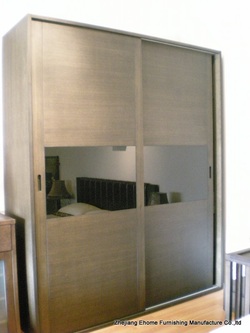
Internet kupovina u Srbiji je u porastu.Sudeći po poslednjim istraživanjima,ovaj trend će u buduće samo napredovati.Umesto zamornog pešačenja,i pajanja po celom gradu i obilaženja raznih salona,sada možete bez brige razgledati kuhinje na internetu iz opuštenosti vašeg kauča.I prodavci prihvataju ove novine,pa se može videti sve više on-line sajtova nameštaja.Prave onlajn prodavnice imaju mnoštvo informacija o različitim plakarima i dizajnu različitih kuhinja od kojih možete odabrati pravo rešenje za vas.Sve što treba da uradite je da odredite svoj budžet,izaberete kombinaciju materijala i dogovorite mere sa proizvođačem.
Ne postoji zamena za samo-obrazovanje kada je u pitanju ovakvo ulaganje.Na primer,neki veb sajtovi nude potencijalnom kupcu savete koje vrste materijala da izbegava a koji bi mu mogli biti od koristi.Da biste se još bolje upoznali,postoje različiti postovi na na vebu u vezi sa ovom problematikom.Možda smatrate da se idealna kuhinja može naći samo u salonima nameštaja.Ako tako mislite,bićete veoma iznenadjeni ako poslušate ovaj savet i tražite vašu kuhinju na internetu.
Evo jednog načina da zaobidjete mogućnost da budete nasamareni pri kupovini kuhinje i ostalog nameštaja.Možete da tražite reference,odnosno brojeve mobilnih telefona prošlih zadovoljnih klijenata.Ovako možete neposredno da se raspitate o kvalitetu izrade ovih kuhinja i možete da saznate koliko su klijenti zadovoljni njegovim radom.Naravno,neptrijatna iznenađenja su uvek moguća ali ovo je jedna od najpouzdanijih metoda da utvrdite kvalitet izrade tog konkretnog proizvođača i zaobiđete moguća nezadovoljavajuća rešenja.
Proverite da li su svi delovi kuhinje koji su stigli čitavi, pre nego što date dozvolu za početak radovi na ugradnji.Dogovorite vreme ugradnje,materijale koje ćete koristiti,nijanse i dr. stvari kako bi se vaša kuhinja savršeno uklopila u vaš stan.Kako stara izreka kaže koliko para toliko muzike,važno je da budete realni u vašim očekivanjima shodno novcu kojim raspolažete.Ono što je bitno napomenuti je da ne pravite kompormise kada je u pitanju kvalitet izrade bez obzira na vrstu materijala.
Postoje tri bitne komponente koje čine jezgro kuhinje a to su elementi,radne ploče i razni uređaji.Pre nego što se upustite u kupovinu nameštaja,potrebno je da steknete sposobnost spoznaje kvaliteta ovih elemenata i toplo vam preporučujemo da ih steknete pre nego što pođete u kupovinu i predate vaš teško zarađeni novac stolaru.
Vaš cilj je da dobijete dobru kuhinju za uložen novac.Ukoliko ste vi zadovoljni vašom novom investicijom,svima ćete pričati.Isto tako,svima ćete pričati i ako ste nezadovoljni.Zbog toga je veoma bitno za stolara da odradi posao kako treba i kvalitetno.Ponekad kupac ima prevelika očekivanja i zbog toga je važno da sinhronizujete vaša očekivanja realnom stanju.Ovako i vi i stolar ćete biti zadovoljni.
Ne postoji zamena za samo-obrazovanje kada je u pitanju ovakvo ulaganje.Na primer,neki veb sajtovi nude potencijalnom kupcu savete koje vrste materijala da izbegava a koji bi mu mogli biti od koristi.Da biste se još bolje upoznali,postoje različiti postovi na na vebu u vezi sa ovom problematikom.Možda smatrate da se idealna kuhinja može naći samo u salonima nameštaja.Ako tako mislite,bićete veoma iznenadjeni ako poslušate ovaj savet i tražite vašu kuhinju na internetu.
Evo jednog načina da zaobidjete mogućnost da budete nasamareni pri kupovini kuhinje i ostalog nameštaja.Možete da tražite reference,odnosno brojeve mobilnih telefona prošlih zadovoljnih klijenata.Ovako možete neposredno da se raspitate o kvalitetu izrade ovih kuhinja i možete da saznate koliko su klijenti zadovoljni njegovim radom.Naravno,neptrijatna iznenađenja su uvek moguća ali ovo je jedna od najpouzdanijih metoda da utvrdite kvalitet izrade tog konkretnog proizvođača i zaobiđete moguća nezadovoljavajuća rešenja.
Proverite da li su svi delovi kuhinje koji su stigli čitavi, pre nego što date dozvolu za početak radovi na ugradnji.Dogovorite vreme ugradnje,materijale koje ćete koristiti,nijanse i dr. stvari kako bi se vaša kuhinja savršeno uklopila u vaš stan.Kako stara izreka kaže koliko para toliko muzike,važno je da budete realni u vašim očekivanjima shodno novcu kojim raspolažete.Ono što je bitno napomenuti je da ne pravite kompormise kada je u pitanju kvalitet izrade bez obzira na vrstu materijala.
Postoje tri bitne komponente koje čine jezgro kuhinje a to su elementi,radne ploče i razni uređaji.Pre nego što se upustite u kupovinu nameštaja,potrebno je da steknete sposobnost spoznaje kvaliteta ovih elemenata i toplo vam preporučujemo da ih steknete pre nego što pođete u kupovinu i predate vaš teško zarađeni novac stolaru.
Vaš cilj je da dobijete dobru kuhinju za uložen novac.Ukoliko ste vi zadovoljni vašom novom investicijom,svima ćete pričati.Isto tako,svima ćete pričati i ako ste nezadovoljni.Zbog toga je veoma bitno za stolara da odradi posao kako treba i kvalitetno.Ponekad kupac ima prevelika očekivanja i zbog toga je važno da sinhronizujete vaša očekivanja realnom stanju.Ovako i vi i stolar ćete biti zadovoljni.
